


📌 Why Postpartum Mental Health Matters
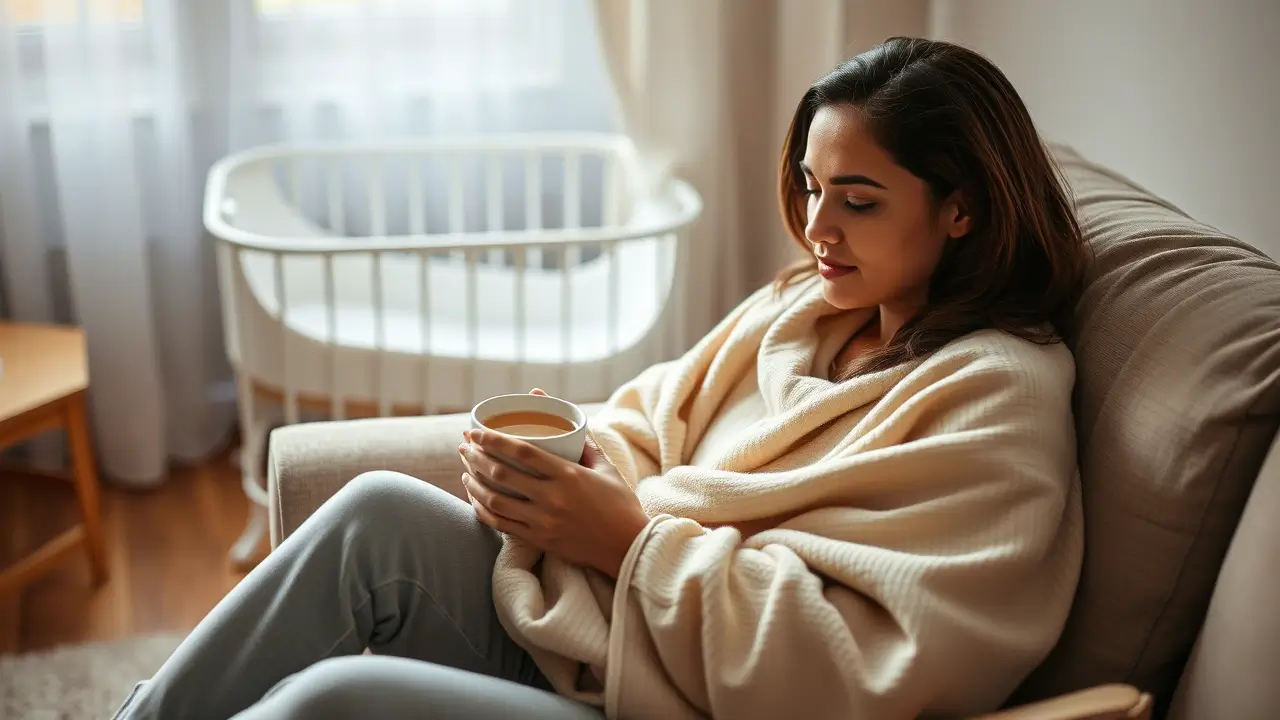
Postpartum isn’t just about physical recovery—it’s a complete emotional, psychological, and identity transformation.
Many new moms feel:
🔹 Disconnected from their old selves
🔹 Overwhelmed by new responsibilities
🔹 Struggling with anxiety or postpartum depression (PPD)
🔹 Guilty for not “loving every moment”
💡 Reminder: Your feelings are valid, and you are not alone.
📩 Before we dive in… Grab your FREE Postpartum Mental Wellness Toolkit! Download Now
🌿 Understanding Postpartum Mental Health: What’s Normal & What’s Not
🔹 The Baby Blues vs. Postpartum Depression & Anxiety
Most moms experience some form of emotional shifts postpartum, but it’s crucial to know the difference between temporary “baby blues” and more serious conditions like postpartum depression (PPD) or postpartum anxiety (PPA).
| Condition | Symptoms | Duration | When to Seek Help |
|---|---|---|---|
| Baby Blues | Mood swings, crying easily, irritability, fatigue | Lasts 1-2 weeks | No medical treatment needed, but support helps |
| Postpartum Depression (PPD) | Persistent sadness, guilt, hopelessness, trouble bonding with baby | Lasts weeks to months | If symptoms impact daily life or last more than 2 weeks |
| Postpartum Anxiety (PPA) | Excessive worry, racing thoughts, trouble sleeping, panic attacks | Can last months if untreated | If anxiety feels unmanageable or interferes with daily life |
📌 Pro Tip: If you feel overwhelmed, seek support early. PPD and PPA are treatable!
🧘♀️ How to Manage Postpartum Depression & Anxiety Naturally
Postpartum mental health isn’t just “in your head”—it’s influenced by hormones, nutrition, sleep, stress, and support.
1️⃣ Prioritize Sleep & Rest 😴
Lack of sleep worsens mood swings, anxiety, and depression.
✅ Ways to Get Better Sleep Postpartum:
✔ Nap when the baby naps (even 20 min helps!)
✔ Use white noise machines to improve sleep quality
✔ Take magnesium before bed for relaxation
💡 Pro Tip: Ask your partner, family, or friends to help with night shifts when possible!
2️⃣ Eat Mood-Boosting Foods 🥑🍓
Your diet impacts mental health more than you think!
✅ Best Foods for Postpartum Mental Health:
- Omega-3s (Salmon, Chia Seeds, Walnuts) → Reduce depression & anxiety
- Magnesium (Dark Chocolate, Almonds, Bananas) → Calms the nervous system
- B Vitamins (Eggs, Leafy Greens, Avocados) → Support brain function
💡 Pro Tip: Low omega-3s & vitamin D levels are linked to higher PPD rates—consider supplements!
3️⃣ Reduce Stress with Mindfulness & Self-Care 🧘♀️💆♀️
Stress makes PPD & PPA worse—but simple, daily practices can help regulate your mood.
✅ Best Stress-Relief Techniques for New Moms:
✔ Box Breathing (Inhale 4 sec, hold 4 sec, exhale 4 sec)
✔ Journaling (Write 1 worry, 1 win, 1 gratitude daily)
✔ Music Therapy (Create a calming playlist)
✔ Guided Meditation Apps (Try Calm or Headspace)
💡 Pro Tip: Even 5-10 minutes of self-care per day can have a huge impact on mental health.
💖 Rebuilding Your Confidence & Identity as a Mom
One of the hardest emotional shifts postpartum is adjusting to a new identity—from who you were before to who you are now as a mother.
1️⃣ Let Go of “Perfect Mom” Expectations
🚫 Stop Comparing: Social media only shows the highlights, not reality.
💡 What Helps? Unfollow triggering accounts, focus on small wins, and remind yourself—you’re doing great!
2️⃣ Set Small, Achievable Goals for Yourself
Your postpartum journey is unique—set small milestones to feel progress without overwhelm.
✅ Examples of Small Wins:
✔ Taking a shower & getting dressed
✔ Going for a 10-minute walk
✔ Reading a chapter in a book
✔ Calling a friend for support
💡 Pro Tip: Progress is not about perfection. Focus on one step at a time!
🛑 Myths vs. Facts About Postpartum Mental Health
🚫 Myth: “Good moms don’t struggle with postpartum depression.”
✅ Fact: PPD can happen to ANY mom, regardless of how much she loves her baby.
🚫 Myth: “Postpartum anxiety is just new mom worries—it will pass.”
✅ Fact: PPA is real and can become severe if left untreated.
🚫 Myth: “If I tell my doctor I’m struggling, they’ll think I’m a bad mom.”
✅ Fact: Seeking help is a sign of strength, not weakness!
📊 Postpartum Mental Health: Key Statistics
📌 Did you know…?
✔ 1 in 7 moms experience postpartum depression
✔ 50% of mothers with PPD don’t receive treatment
✔ Low omega-3 & vitamin D levels are linked to higher PPD rates
📩 Want expert guidance? Download the free Postpartum Mental Wellness Toolkit! Get it now
🔥 Final Thoughts & Next Steps
Postpartum mental health is just as important as physical recovery. You deserve support, care, and time to heal.
📌 Which mental health tip did you find most helpful? Drop a comment below!
📩 Final Reminder: Get your FREE Postpartum Mental Wellness Toolkit Download Now